TN Off-Grid Systems
TN Off-Grid Systems
  • Home
  • SERVICES
    • Micro Hydro
    • Geothermal Systems
    • Solar Panel Systems
  • Resources
    • Homesteading
    • Gardening
    • Rainwater Capture
    • Livestock
    • Blog
  • Contact
  • More
    • Home
    • SERVICES
      • Micro Hydro
      • Geothermal Systems
      • Solar Panel Systems
    • Resources
      • Homesteading
      • Gardening
      • Rainwater Capture
      • Livestock
      • Blog
    • Contact
  • Home
  • SERVICES
    • Micro Hydro
    • Geothermal Systems
    • Solar Panel Systems
  • Resources
    • Homesteading
    • Gardening
    • Rainwater Capture
    • Livestock
    • Blog
  • Contact
A red drill truck at a muddy construction site with a worker walking nearby.
A Smart, Energy-Efficient Solution

Geothermal Heating and Cooling Systems

Geothermal heating and cooling systems are a revolutionary way to maintain indoor comfort while significantly reducing energy costs. By utilizing the Earth’s stable underground temperature, these systems offer an eco-friendly, cost-effective alternative to traditional HVAC solutions. 

Get a Free Quote

What is a Geothermal System?

Harnessing the Earth's Renewable Energy

Unlike conventional heating and cooling systems that burn fuel to generate heat or use excessive electricity to cool a space, geothermal systems leverage the Earth's natural energy. By transferring heat between the ground and your home, these systems provide reliable climate control throughout the year.

The Key Components of a Geothermal System

A geothermal system consists of three main parts:

  • Underground Pipe Loops: Installed beneath the surface, these loops are filled with an antifreeze solution that facilitates heat transfer.
  • Heat Pump Module: Located inside the home, this unit extracts or disperses heat depending on the season.
  • Air Distribution System: The system distributes conditioned air throughout the home, ensuring consistent temperatures.

Types of Geothermal Heat Pump Systems

Horizontal Loop Systems

Best for homes with ample yard space, these loops are installed at shallow depths and spread across a large area.

Vertical Loop Systems

Ideal for properties with limited space, vertical loops are drilled deep into the ground, requiring less surface area.

Pond/Lake Loop Systems

Pond/Lake Loop Systems

If a body of water is available, submerged loops can offer superior efficiency by utilizing water’s high thermal conductivity.

The Geothermal Installation Process—What to Expect

Step 1 – Site Evaluation & System Selection

Professionals assess the property’s soil conditions, climate, and available space to determine the best system type and configuration.

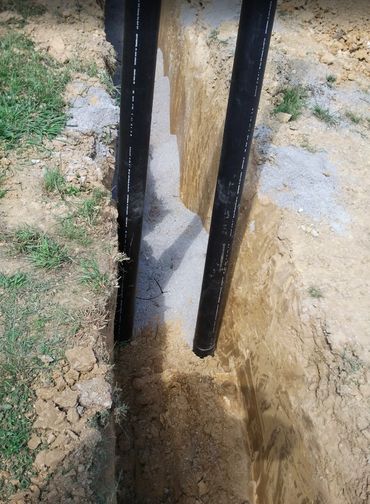
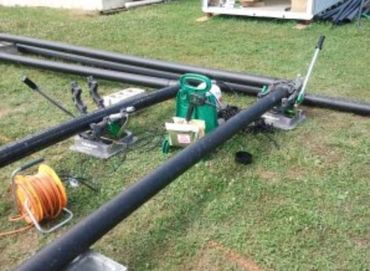
Step 2 – Underground Loop Installation

Pipes are carefully buried or submerged based on the chosen system type, ensuring optimal heat transfer with minimal landscape disruption.

Step 3 – Connecting Loops to the Heat Pump

The underground loops are connected to the home’s heat pump module, allowing heat exchange between the Earth and the indoor air system.

Step 4 – Installing the Air Handling Unit

The air handling cabinet is integrated with the home’s ductwork, enabling efficient distribution of conditioned air.

Step 5 – System Testing & Activation

Once everything is installed, the system is thoroughly tested to ensure it runs efficiently and delivers the promised energy savings.

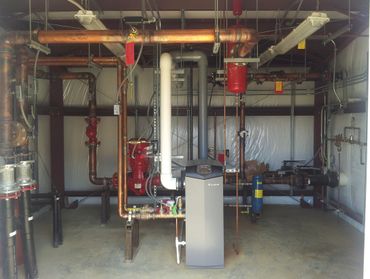
Geothermal Install at the REHAU plant in Alabama

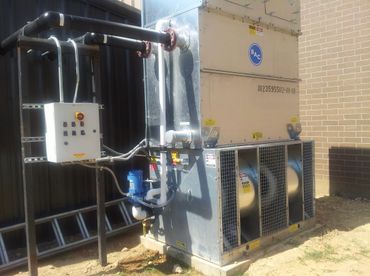
Geothermal Hybrid Install At Lawrence County Schools

Join Us

Get a Free Quote for Your Geothermal System Today

Contact us today for a free consultation and take the first step toward a sustainable, energy-efficient future.

Get a Free Quote
  • Micro Hydro
  • Geothermal Systems
  • Solar Panel Systems

TN Off-Grid Systems

615-913-0115

Copyright © 2026 TN Off-Grid Systems - All Rights Reserved.

Powered by

This website uses cookies.

We use cookies to analyze website traffic and optimize your website experience. By accepting our use of cookies, your data will be aggregated with all other user data.

Accept